EN ES HT
The Inspection Process

What to Expect During Your Inspection.

We believe an informed client is a confident client. Here's everything you need to know before, during, and after your inspection day.

We Walk You Through Every Finding.

An inspection with O.B.A is not a solo event. We encourage you to be present, ask questions, and follow along as we go through the property together. This is your opportunity to truly understand the home you're buying, selling, or maintaining.

When we arrive, we do a quick walkthrough to plan our approach, then begin a systematic evaluation of every accessible area, from the roofline to the foundation. Most residential inspections take between two and four hours depending on the size and condition of the property.

As we work, we explain what we're seeing in plain language, not inspector jargon. By the end, you'll have a clear picture of the property's condition, and your full report will be in your inbox the same day.

All you need to bring is yourself and any questions you've written down. The more you ask, the more value you get out of the inspection.

2 to 4 Hours
Typical inspection duration for a standard residential property, depending on size and condition.
Same-Day Report
Your detailed inspection report is delivered to your inbox on the same day as your inspection.
You Can Attend
Clients are always welcome and encouraged to be present throughout the entire inspection.
Questions Welcome
No question is too small. We take the time to explain each finding in plain, clear language.
O.B.A inspector performing a thorough home inspection walkthrough

“From the foundation to the rooftop, we inspect every inch so nothing catches you by surprise.”

Every System. Every Corner.

Our inspections follow InterNACHI standards and cover all major systems and visible components of the property from top to bottom.

Roof System

Covering materials, flashing, gutters, downspouts, chimneys, and visible signs of wear or damage.

Electrical

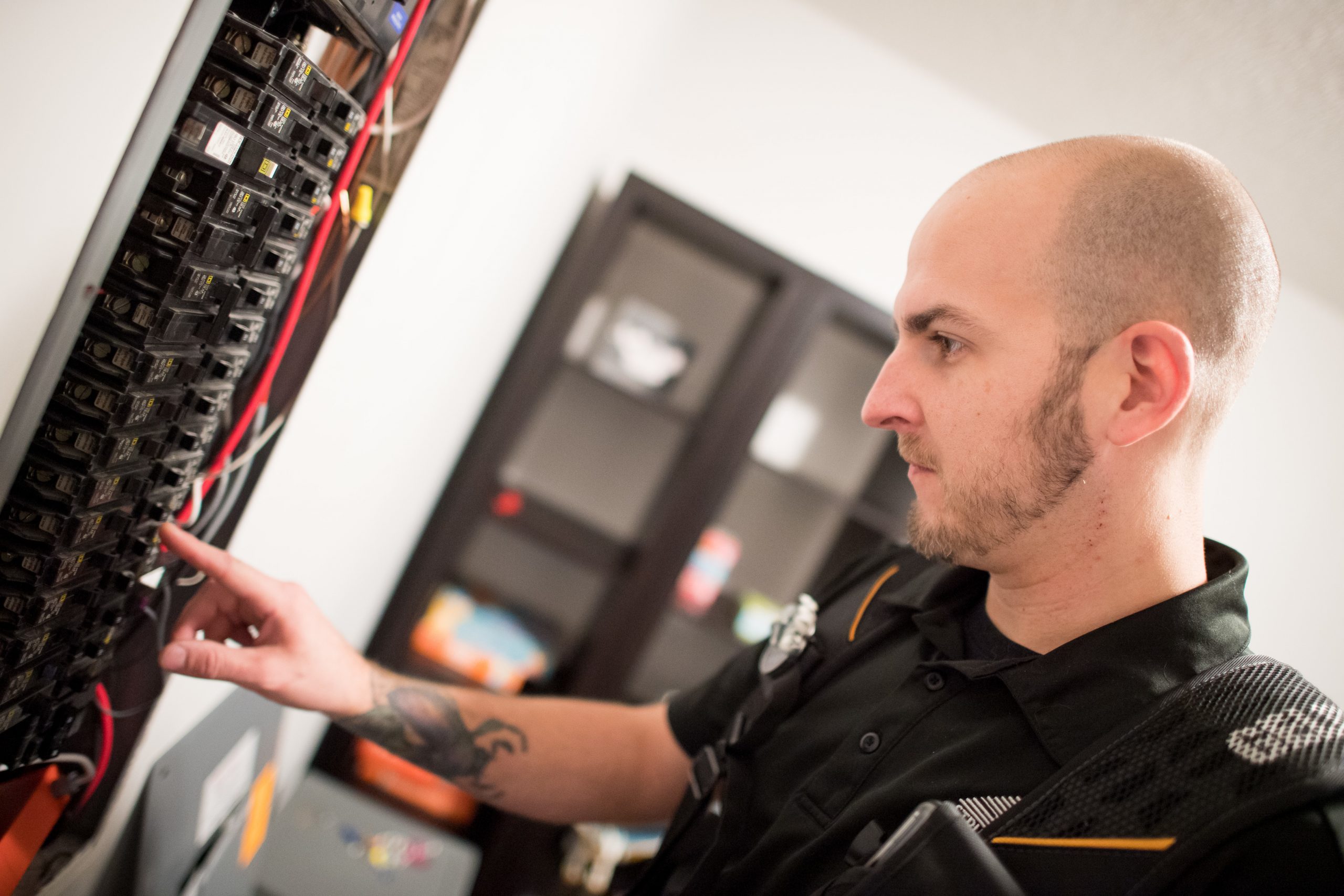
Panel, wiring, outlets, GFCI protection, service entrance, and any visible safety concerns.

Plumbing

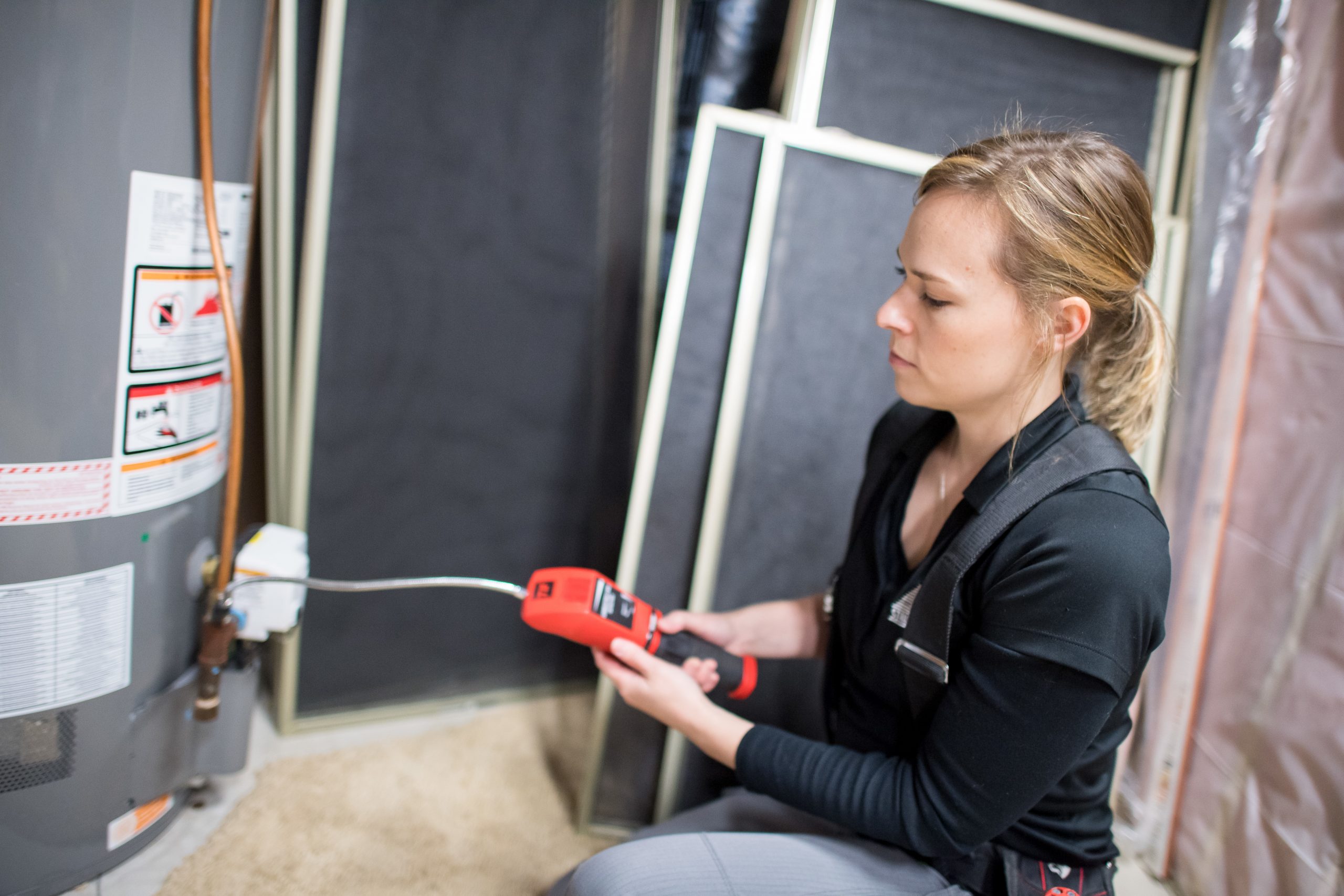
Supply and drain lines, water heater, fixtures, shutoff valves, and visible pipe conditions.

HVAC

Heating and cooling equipment, ductwork, filters, venting, and thermostat operation.

Foundation

Visible foundation walls, slab conditions, settlement indicators, and moisture intrusion signs.

Insulation

Attic insulation levels, vapor barriers, and ventilation adequacy throughout the structure.

Windows and Doors

Operation, seals, frames, glazing, weatherstripping, and hardware for all accessible openings.

Attic

Structural members, sheathing condition, insulation, ventilation, and any signs of moisture or pests.

Crawl Space

Wood framing, moisture levels, vapor barriers, pier conditions, and any structural concerns below grade.

Interior

Walls, ceilings, floors, stairs, railings, and all visible interior components and finishes.

Exterior

Siding, trim, soffits, fascia, grading, walkways, decks, and all visible exterior surfaces.

Garage

Doors, openers, fire separation, electrical, floor condition, and structural elements of the garage.

Warm inviting Florida home exterior — the kind O.B.A inspects for clients every day

"We inspect every corner so you can move forward with complete confidence."

Advanced Technology, Thorough Results.

Standard visual inspections only go so far. We use specialized tools to find what the eye alone can miss.

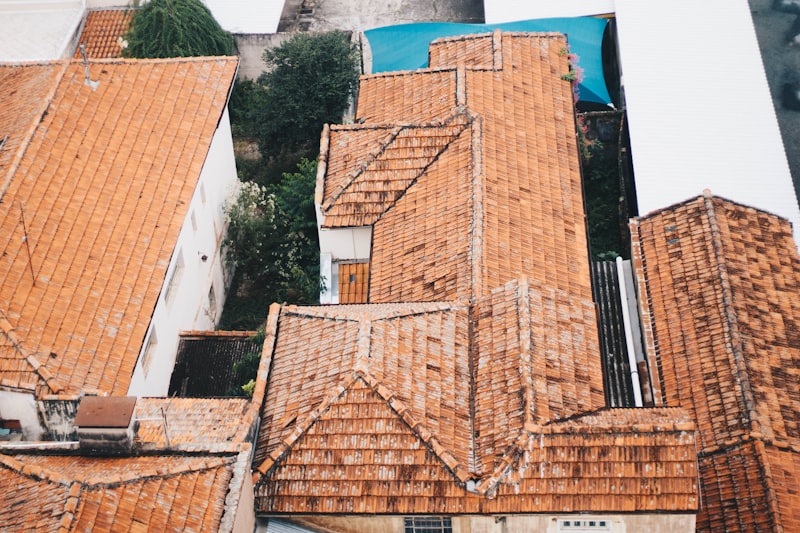
Aerial view of residential roof captured by inspection drone
Drone Video

Our drone captures high-resolution video footage of the roof and upper exterior areas that would be difficult or unsafe to access by ladder. You get a clear, documented view of the full roofline.

Thermal imaging revealing hidden moisture and hot spots
Thermal Imaging

Thermal cameras detect temperature differences that can reveal hidden moisture intrusion, insulation gaps, and electrical hot spots that are invisible to the naked eye but critical to know about.

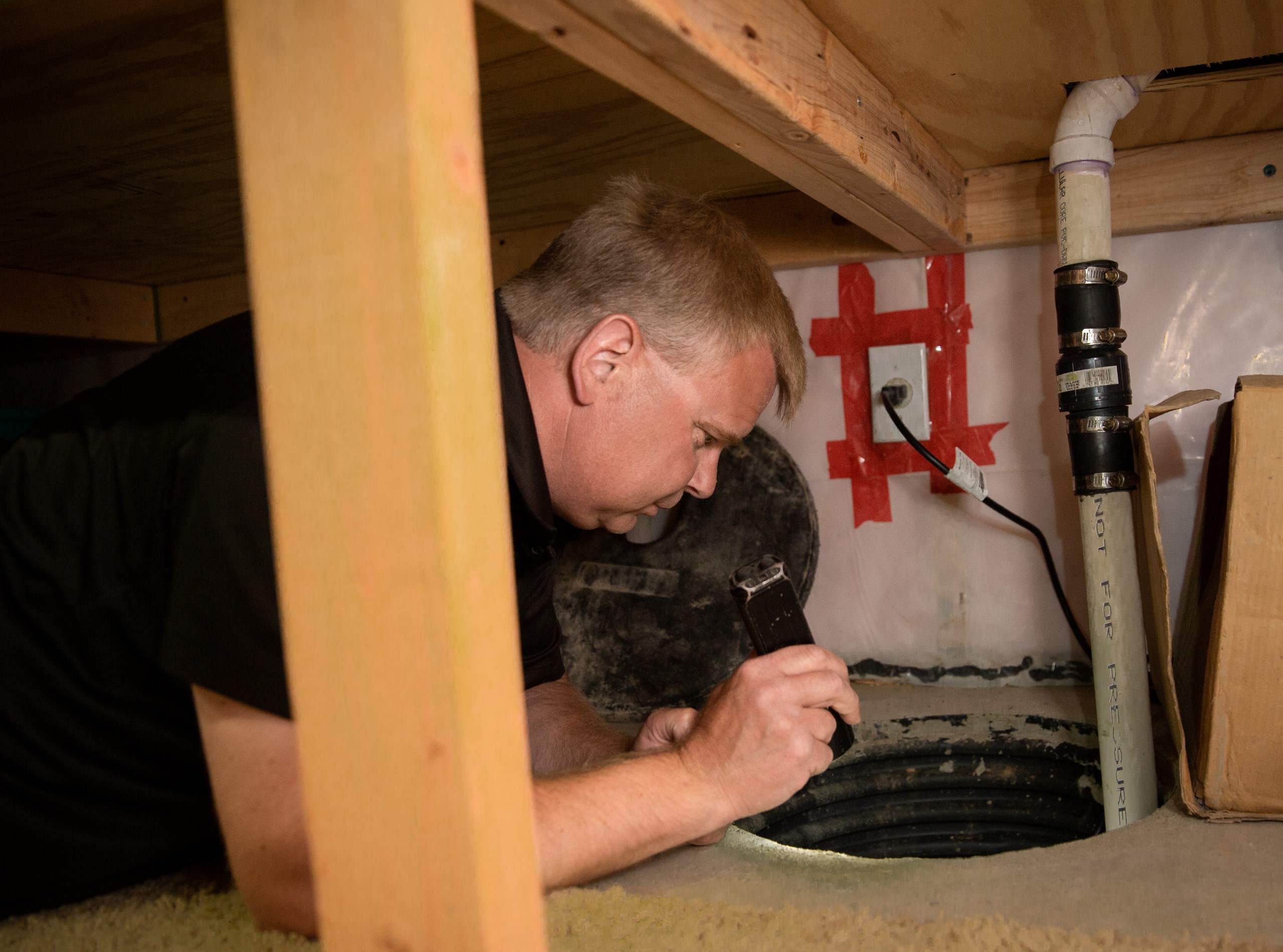
Inspector documenting findings in confined crawl space area
Crawl Bot

Our remote crawl space robot accesses tight, confined areas below the home to document conditions that would otherwise require unsafe entry, giving you a more complete picture of the substructure.

A Few Things to Know.

A little preparation on your end helps us do the most thorough job possible. Here's what we ask of sellers, buyers, and homeowners ahead of inspection day.

1
Be present if possible

Attending your inspection gives you a firsthand look at the property's condition and the chance to ask questions on the spot. Buyers especially benefit from walking through the home with the inspector before making one of the biggest financial decisions of their life.

2
Make sure all utilities are on

We need active electricity, running water, and functioning gas lines to fully evaluate all systems. If any utilities are turned off at the time of inspection, we may not be able to test those components and will need to return, which can delay your closing timeline.

3
Clear access to key areas

Please make sure the attic hatch, crawl space entry, and main electrical panel are unobstructed and accessible. Stored items blocking these areas can prevent us from completing a thorough inspection and may require a reinspection.

4
Have any HOA or seller disclosure documents ready

If you're a buyer, having the seller's disclosure statement available helps us cross-reference known issues with what we find on-site. Known repairs, past water damage, or recent system replacements give us important context during the inspection.

5
Write down your questions beforehand

Inspection day can move quickly. Take a few minutes the night before to jot down any concerns you already have about the property. Whether it's a crack you noticed during the showing or a question about the age of the HVAC, we want to address everything that's on your mind.

Frequently Asked Questions

Everything you've been wondering about the inspection process, answered plainly and honestly.

Most standard residential inspections take between two and four hours. The exact time depends on the size of the home, its age, and the number of systems being evaluated. Larger properties, crawl spaces, and homes with multiple HVAC units or complex systems will take longer. We never rush an inspection to meet a time window, so plan for at least a half day.

Yes, and we strongly encourage it. Being present lets you see conditions firsthand, ask questions as they come up, and leave the inspection truly understanding the property. A written report is valuable, but hearing an explanation in person while standing in front of the issue is even more so. If you cannot attend, we will walk you through the report over the phone after delivery.

A general home inspection covers all visible and accessible systems and components. We do not inspect items that are concealed behind walls or inaccessible surfaces, underground systems such as septic tanks or buried oil tanks, swimming pools or hot tubs unless specifically added to the scope, or cosmetic issues that do not affect function or safety. Specialty inspections such as mold, radon, or termite evaluations are add-on services and are not included by default in a standard inspection.

Your report is organized by system and includes photos, written descriptions, and severity ratings for each item noted. We flag items as Safety Concerns, Major Deficiencies, or Maintenance Recommendations so you can easily prioritize what needs immediate attention versus what can be monitored over time. If anything in the report is unclear, call us. We are always available to walk through the findings with you and answer questions after delivery.

Finding issues is exactly what an inspection is for. A thorough report with identified deficiencies is far more valuable than a clean one that missed something important. Once you have the report, you can use the findings to negotiate repairs or a price reduction with the seller, request specific corrections before closing, budget for future maintenance if you're keeping the property as-is, or walk away from a deal that doesn't pencil out. We give you the information. You decide what to do with it.

Our inspectors do not perform repairs on properties they have inspected. This is both an ethical standard and a boundary that protects you. An inspector who also offers repair services has a financial incentive to find problems, which undermines the objectivity you're paying for. We keep those roles completely separate. For contractor referrals, we are happy to point you in the right direction based on the type of work needed, but the final choice of contractor is always yours.

Schedule Your Inspection

Pick your service, choose your date, and you’re done. We confirm quickly and show up ready.

Questions? Call us at 352-537-4429

Take the Next Step

Ready to Schedule Your Inspection?

Book online in minutes or give us a call. We're available seven days a week and can usually get you scheduled quickly.